Property Management
Florida Rental Owners: Security Deposit or Fee in Lieu?
Florida Excellence Real Estate · October 26, 2026
Florida permits an optional fee-in-lieu arrangement, but it is not the same as a refundable security deposit. Owners should compare the legal requirements and day-to-day administration before choosing either approach.
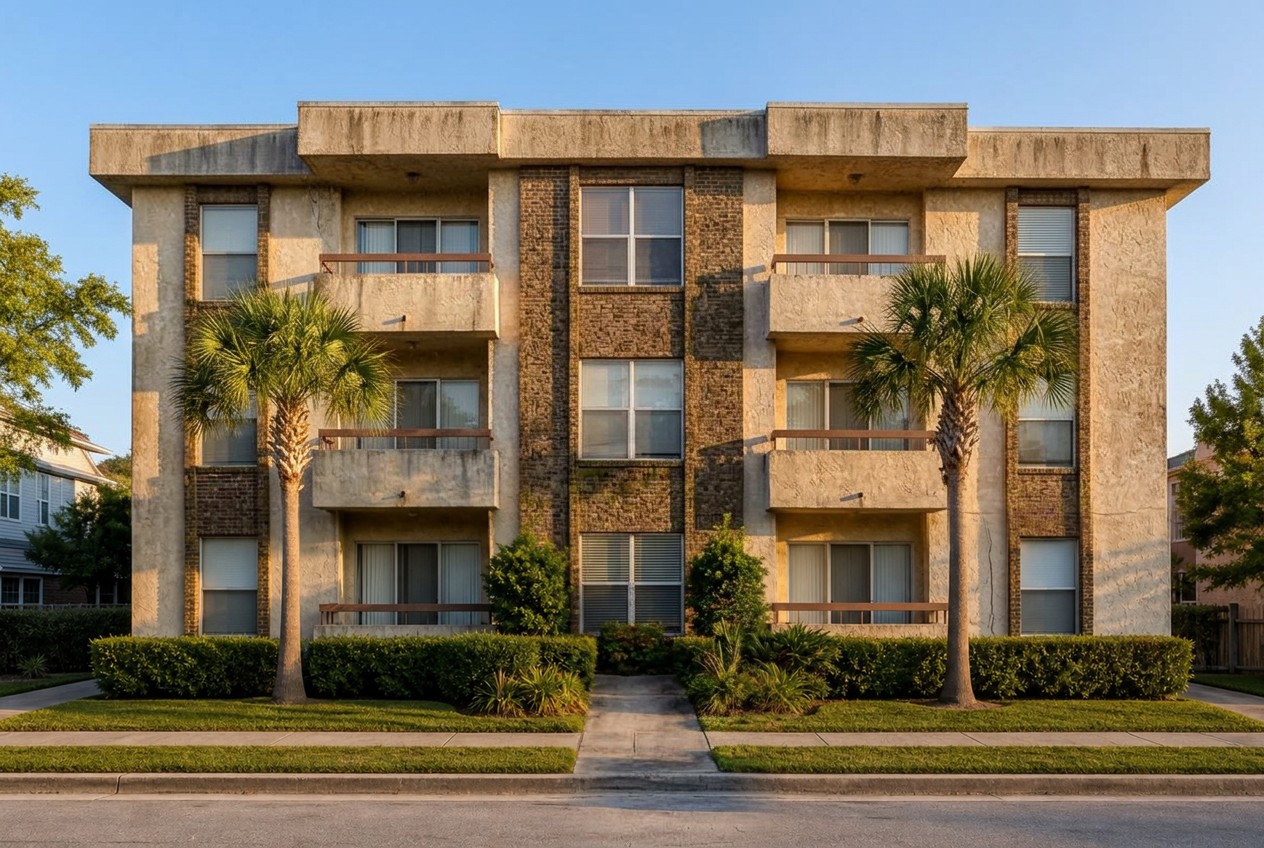
Two arrangements, different responsibilities
A conventional security deposit is money held under the applicable deposit rules. Florida Statute 83.491 allows a landlord to offer an optional fee in lieu of a security deposit. Offering that alternative is not mandatory, and it should not be described as simply another name for a deposit.
Do not assume the alternative eliminates a tenant’s responsibility for unpaid rent or damage. Review the required written terms and disclosures with a qualified Florida attorney before offering a program.
Conventional deposits need a clear handling process
Florida Statute 83.49 describes permitted approaches to holding deposits and certain advance rent, including separate Florida accounts or a qualifying bond arrangement. The specific method affects the notice and interest obligations. A landlord or agent should not treat protected tenant funds as ordinary operating cash.
Assign responsibility for receipt, holding arrangements, tenant notices, reconciliations, and move-out decisions. Written procedures matter even when a property manager performs the daily work. Ask how funds are held and how you can verify the records.
Evaluate the fee option beyond the move-in price
A lower initial payment can look attractive, but the full cost, refundability, tenant obligations, and claim procedures need to be understandable. The statute contains requirements for written agreements and disclosures, and provisions governing insurance-related claims.
Avoid promising that a fee guarantees reimbursement or that the tenant has bought protection from liability. An attorney should review the arrangement and current statutory language, especially when a third-party provider is involved.
Build a documented leasing and move-out workflow
Document the property’s condition at move-in, retain notices and payment records, and keep a clear record of maintenance and reported damage. At move-out, distinguish ordinary wear from damage using evidence rather than assumptions. Documentation is sound practice, not a guarantee that a dispute will disappear.
For leasing, maintenance coordination, and owner reporting, discuss your needs with Florida Excellence Real Estate. Ask who handles deposit administration and how the management agreement assigns responsibilities. Review the current statute before implementing any policy.
Sources & further reading
- Florida Statute 83.49: Deposits and advance rent
- Florida Statute 83.491: Fee in lieu of security deposit
Sources checked October 26, 2026. General educational information, not legal, tax, or loan-servicing advice. Rules, loan requirements, and individual circumstances can change. Consult your servicer, a HUD-approved housing counselor, or a Florida attorney as appropriate. Images are illustrative, not current listings.